Mutual FundBeginner's Guide
Learn what mutual funds are, how they work, and how to start investing with confidence. Clear, practical, and beginner-first.
Start small, stay consistent
Mutual funds let beginners start with manageable amounts and build a steady investing habit.
Diversification by design
A single fund can hold many securities, helping spread risk across a portfolio.
Professional management
Fund managers research, monitor, and rebalance the portfolio so you do not have to.

What is a mutual fund?
A mutual fund pools money from many investors and invests it in a diversified basket of assets like stocks or bonds. You own units of the fund, and the unit price (NAV) changes with the portfolio.
Pool money
Investors combine money into one portfolio.
Managed
Professionals research and manage holdings.
Unit-based
You own units that track the fund value.

Finlec Investment Platform
Your trusted mutual fund partner
Common types beginners start with
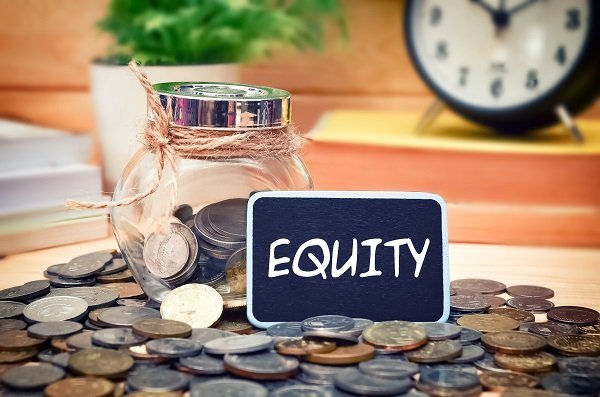
Equity Funds
Growth-focusedAim for long-term growth by investing mainly in stocks. Higher volatility, higher potential.

Debt Funds
Stability-focusedInvest in bonds or money market instruments for steadier returns and lower volatility.

Hybrid Funds
BalancedMix equity and debt to balance growth and stability in one portfolio.
Choose Your Path
SIP vs Lump Sum
Select a style to see when it works best.
SIP (Systematic Investment Plan)
Invest a fixed amount on a regular schedule. Good for building a habit and averaging purchase costs.
Best for
Money grows on money.
Your returns start earning their own returns — and over time, that loop becomes unstoppable.
Invest early
Even a few years' head-start creates a dramatic difference in final corpus.
Stay invested
Withdrawing early breaks the loop. Patience is the core strategy.
Reinvest returns
Every rupee of return that stays in keeps compounding on itself.
Final Value
₹1,74,494
on ₹10,000 invested
Returns Earned
₹1,64,494
17.4× your money
Growth curve
How To Choose
How to Start Investing
Six clear steps
Set a clear goal
Pick a purpose (education, home, retirement) and a target year.
Decide your horizon
Short-term goals need lower volatility; long-term goals can handle equity.
Choose the right fund type
Equity for growth, debt for stability, hybrid for balance, index for low cost.
Check risk and costs
Review risk level, expense ratio, and exit load before investing.
Pick SIP or lump sum
SIP builds discipline; lump sum works for a surplus with a long horizon.
Review twice a year
Track progress vs your goal and rebalance when needed.
Glossary
Six terms every beginner must understand before investing

Quick, clear explanations
Straightforward meaning in everyday language.

Quick glossary helper
Use this as a fast refresher before investing.
.webp)
Examples + why it matters
See how each term impacts real decisions.
Term 01
SIP (Systematic Investment Plan)
Investing a fixed amount at regular intervals.
Example: Investing ₹2,000 every month on the 5th is a SIP.
Why it matters: Builds discipline and averages your purchase cost over time.
Term 02
Lump Sum
Investing a larger amount all at once.
Example: Putting ₹1,00,000 from a bonus into a fund is a lump sum.
Why it matters: Best when you have surplus cash and a long holding horizon.
Term 03
AMC (Asset Management Company)
The company that creates and manages mutual funds.
Example: HDFC Mutual Fund, SBI Mutual Fund — these are AMCs.
Why it matters: You're trusting them with your money, so their track record matters.
Term 04
AUM (Assets Under Management)
The total money an AMC or fund is currently managing.
Example: A fund with ₹10,000 crore AUM is managing that much from all investors combined.
Why it matters: A growing AUM shows investor confidence in the fund.
Term 05
Returns
The profit or loss you earn on your investment over time.
Example: Investing ₹10,000 that grows to ₹12,000 is a 20% return.
Why it matters: The whole point of investing — knowing what you actually earned.
Term 06
Diversification
Spreading money across different assets to reduce risk.
Example: Investing in equity, debt, and gold instead of just one.
Why it matters: If one asset falls, others can cushion the loss.
Risks And Costs
Understand the trade-offs
Market risk
Fund values move with the market. Short-term dips are normal.
Costs matter
Expense ratios and exit loads reduce returns. Compare before buying.
Goal mismatch
Equity funds need time. Use them for long-term goals.
Patience required
Chasing recent performance can hurt. Stick to your plan.
FAQs
Beginner questions, answered
Are mutual funds safe?+
They carry market risk. Diversification helps, but returns are not guaranteed. Pick funds that match your horizon and risk comfort.
SIP or lump sum: which is better?+
SIP builds discipline and can smooth volatility over time. Lump sum can work when you have a large amount and a long horizon.
How many funds should a beginner hold?+
A few well-chosen funds are usually enough. Too many funds can create overlap and complexity.
When should I review my funds?+
Check quarterly or semi-annually. Focus on your goals, not daily NAV changes.
Next Steps
Ready to plan your first investment?
Use our calculators to estimate SIP and lump sum outcomes.